Important safety information for those considering hyperbaric oxygen or red light therapy.
Introduction
At Oxydise, safety always comes first.
Both Hyperbaric Oxygen Therapy (HBOT) and Red Light Therapy (RLT) are non-invasive and well-tolerated treatments used by thousands of people every day. However, there are certain situations where these therapies may not be suitable or may require medical clearance before starting.
This guide outlines the main contraindications for each therapy and offers practical advice for anyone considering sessions at home or in our Wellness Lab.
Hyperbaric Oxygen Therapy (HBOT) Contraindications
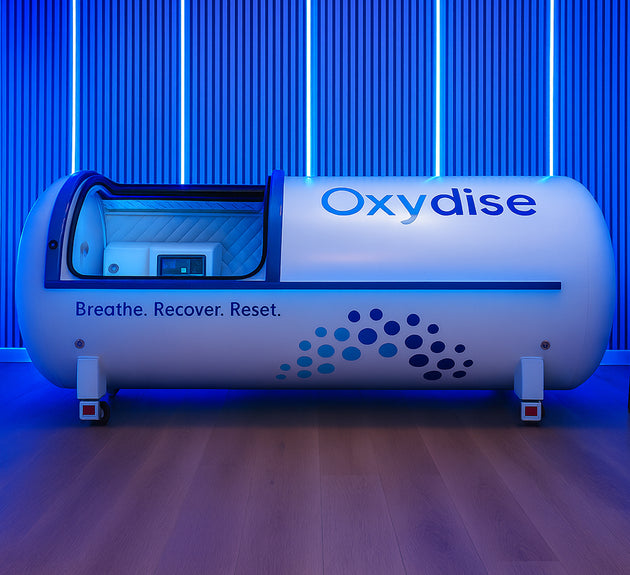
HBOT involves breathing concentrated oxygen in a pressurised environment, typically between 1.3 and 2.0 ATA. While safe for most people, a few medical conditions or circumstances can increase risk.
Absolute Contraindications
These are conditions where HBOT should not be used unless cleared by a doctor.
-
Untreated pneumothorax (collapsed lung):
Pressure changes can expand trapped air, worsening the condition. This must be resolved before therapy. -
Active cold, sinus, or ear infection:
Blocked sinuses or Eustachian tubes make pressure equalisation difficult and may cause ear or sinus pain. -
Severe chronic obstructive pulmonary disease (COPD) with CO₂ retention:
Extra oxygen can alter breathing control in these cases — medical guidance is essential. -
Unhealed ear surgery or ear trauma:
Pressure can strain delicate tissues as they heal. -
Fever or untreated respiratory infection:
Indicates active illness; therapy should be postponed until fully recovered. -
Current chemotherapy or radiotherapy (unless prescribed by your oncologist):
Some medications and oxygen therapy may interact; always seek approval from your healthcare team.
Relative Contraindications
These conditions don’t automatically exclude HBOT but require caution or professional review.
-
Pregnancy:
Generally avoided unless medically necessary. -
Seizure or epilepsy history:
High oxygen exposure may lower seizure thresholds; medical clearance recommended. -
Claustrophobia or severe anxiety:
The enclosed environment may be uncomfortable for some; gradual acclimatisation or mild pressures can help. -
Insulin-dependent diabetes:
Oxygen can temporarily affect blood glucose; sessions should be monitored carefully. -
Recent ear or sinus surgery:
Wait until your surgeon confirms safe healing before starting.
At Oxydise, our team reviews all relevant medical history before installation or first use. If you’re uncertain, we can liaise with your clinician to confirm suitability.
Red Light Therapy (RLT) Contraindications
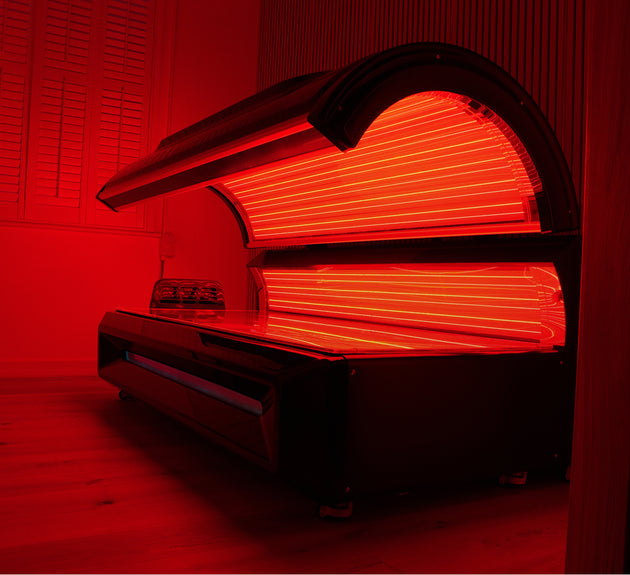
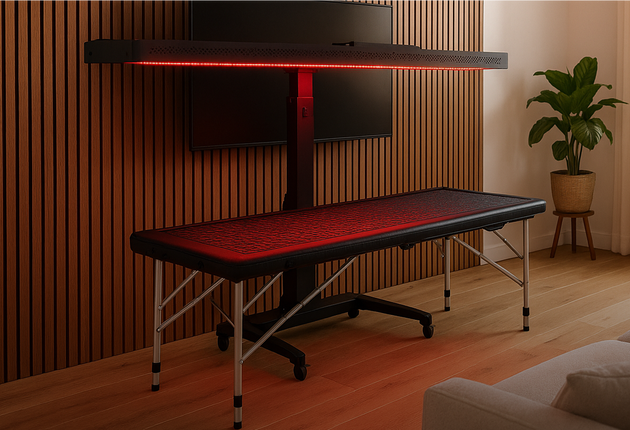
Red Light Therapy uses safe, visible and near-infrared light to stimulate energy production inside cells. It contains no UV radiation and is generally safe for daily or frequent use.
However, light-based treatments can interact with certain conditions or medications.
Do Not Use RLT If You Have:
-
Active or suspected cancer:
Increased cellular activity could, in theory, influence tumour metabolism — avoid unless cleared by your oncology team. -
Light-sensitive medical conditions (e.g., lupus, porphyria):
These conditions heighten sensitivity to visible light. -
Photosensitising medications:
Certain antibiotics, acne treatments (e.g. isotretinoin), and antidepressants can make skin more reactive to light. -
Pregnancy (for full-body or abdominal exposure):
Avoid direct exposure over the abdomen; local or facial treatments may be acceptable with approval. -
Epilepsy triggered by light:
Although red/near-infrared light doesn’t flash rapidly, it’s best to avoid exposure if you have photosensitive epilepsy.
Use With Caution / Seek Advice If You Have:
-
Recent Botox or filler treatments (within 2 weeks):
Wait until the product has settled to avoid unwanted diffusion. -
Open wounds, burns, or active infections:
RLT supports healing but should only be used once infection control is confirmed. -
Severe migraines or light sensitivity:
Begin with shorter sessions or wear eye protection. -
Cardiac pacemaker or implanted device:
Maintain a safe distance between the light panel and device site; consult your doctor.
Combined Use: HBOT + RLT
Many clients use both HBOT and RLT together for enhanced results — oxygen delivery from HBOT and cellular energy from RLT work synergistically.
However, if you fall into any contraindicated category for either therapy, avoid combined sessions until cleared by a healthcare professional.
When both are used safely, clients often report faster recovery, deeper relaxation, and improved energy.
Our team can design a safe, personalised schedule for you.
Suitability Checklist
Before starting either therapy, check the following:
✅ I do not have any untreated lung or ear conditions.
✅ I’m not taking light-sensitising medication.
✅ I don’t have an active infection, fever, or open wound.
✅ I’m not currently pregnant (or I’ve discussed it with my doctor).
If you tick all four boxes, you’re a good candidate for HBOT or RLT.
Why Safety Matters
Both therapies are gentle but powerful. By following simple precautions and operating guidelines, you’ll ensure that each session remains safe, comfortable, and effective.
Oxydise systems are designed with multiple safety features — pressure-release valves, oxygen concentrators (no tanks), and controlled LED intensity — all fully CE and UKCA certified.
Need Further Guidance?
If you’re unsure whether HBOT or Red Light Therapy is right for you, our team can help. We’ll discuss your goals, review any medical considerations, and, if appropriate, arrange a consultation with Dr Masha Makeeva — one of Europe’s leading medical doctors specialising in hyperbaric and photobiomodulation therapies.
Dr Masha is internationally recognised for her work in HBOT safety, training, and clinical application, and provides independent medical guidance for Oxydise clients who want a professional opinion on using these technologies safely and effectively.
Whether you’re planning home use, rental installation, or sessions at the Wellness Lab, we’ll ensure your plan is reviewed by the right expert before you begin.