


Science sets the target.
We work with the researchers who study how these technologies act on the body, including Professor Jeffery’s light research.
Chambers and Red Light systems to buy or rent, with delivery and set-up by the Oxydise team.
 Edward is online
Oxydise wellness adviser
Edward is online
Oxydise wellness adviser
Five generations of chambers and light beds, designed here, built with a hospital oxygen manufacturer, and corrected by 100,000 hours of real sessions.
Excellent 4.9 out of 5TrustpilotTrusted by


Science, engineering and real use, each one feeding the next product.
We work with the researchers who study how these technologies act on the body, including Professor Jeffery’s light research.
Twenty years of Cambridge product engineering, with a manufacturing partner that supplies oxygen generators to hospitals worldwide.
Three labs, a thousand rentals. When a zip catches or a valve hisses, it gets logged, and the next machine answers it.

A chamber is only as good as the oxygen it actually delivers, session after session.

With Red Light, the whole argument is output: the right wavelengths, actually delivered where you sit.
Performance is half the job. The other half is how it feels: the look in your room, the seat under you, and software that behaves like the technology you already own.
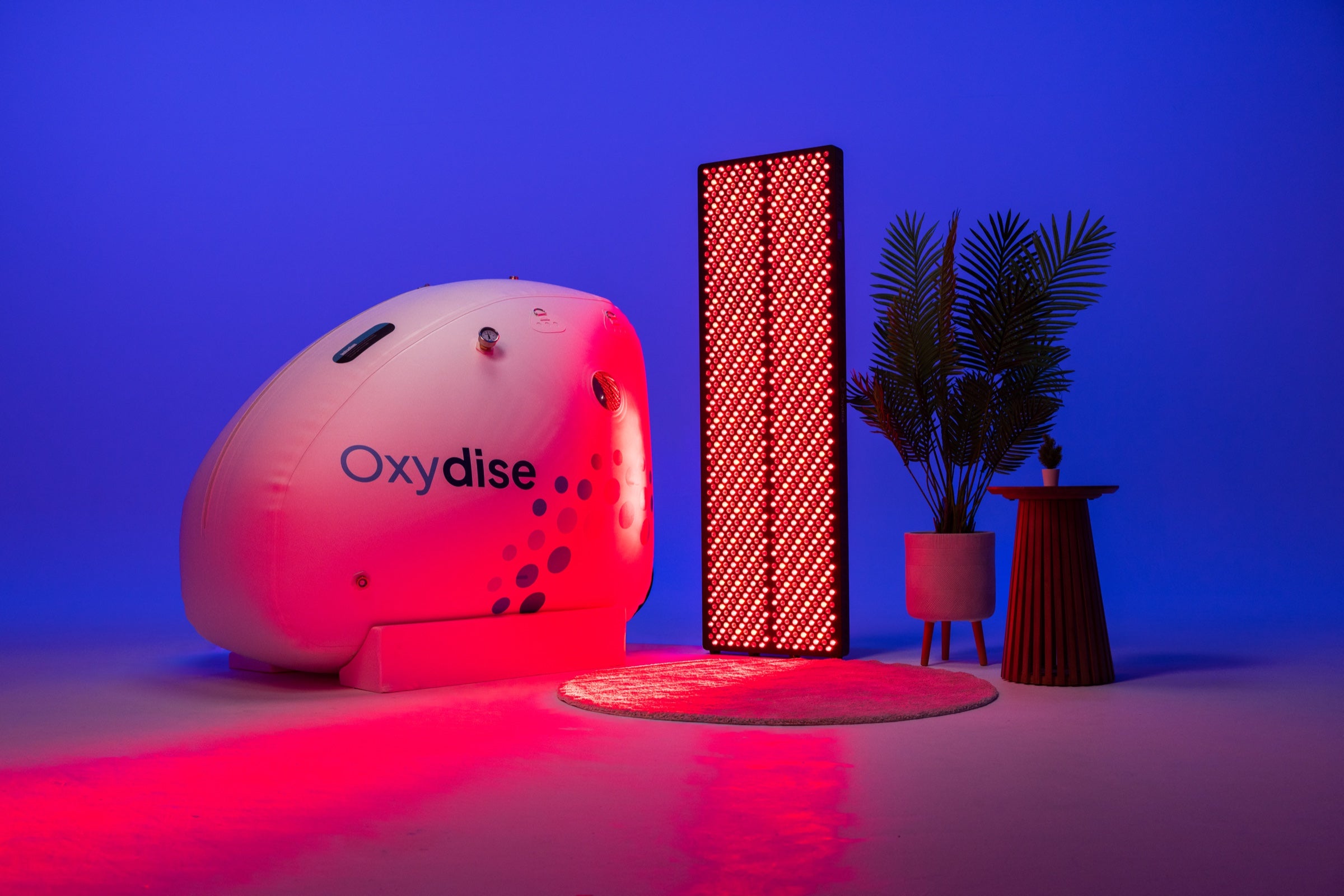
Designed like furniture, because it lives in your home. And always white: light comes through the fabric, so the inside feels bright, never boxed in.
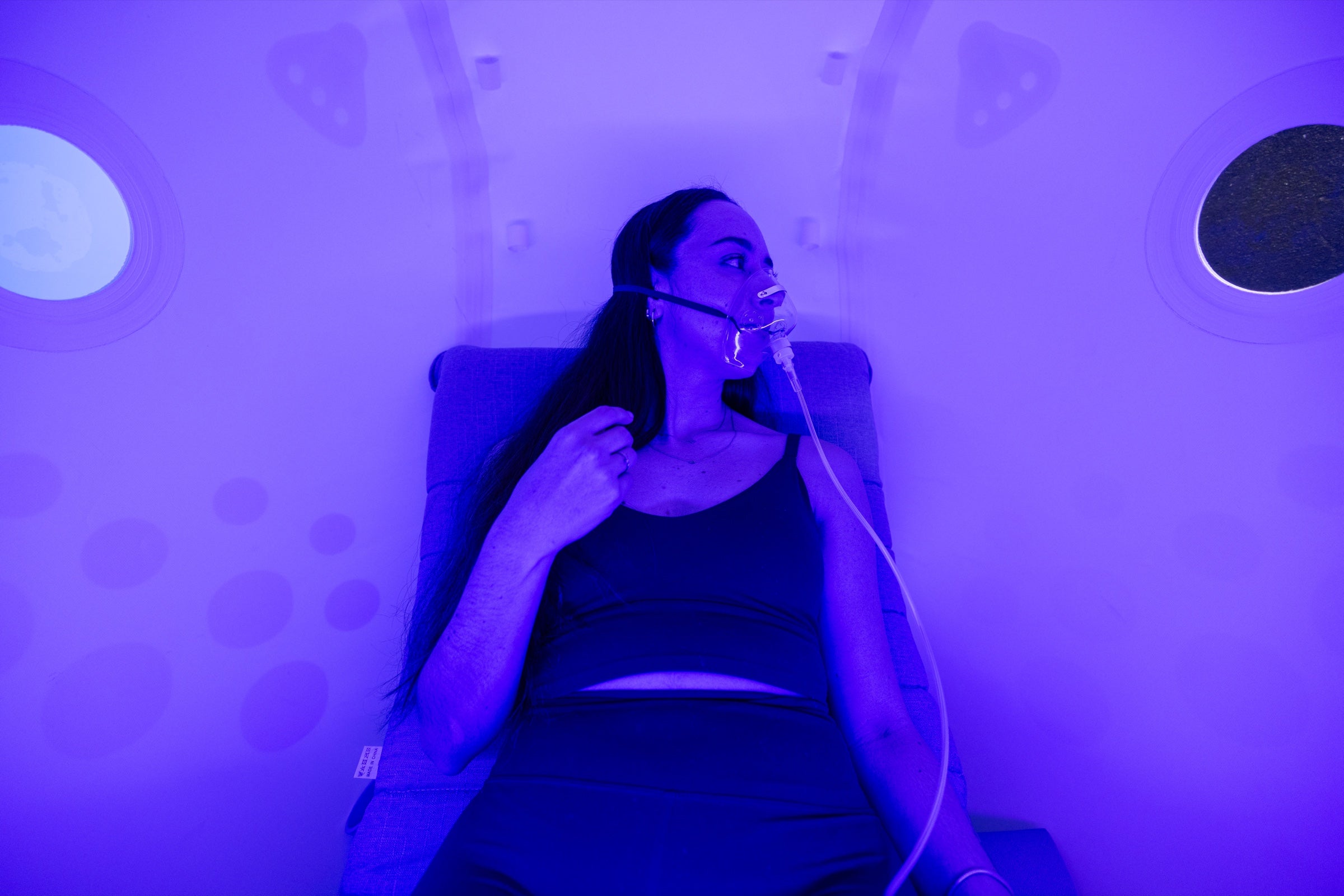
Seating, space, airflow and temperature worked over thousands of sessions, so an hour in there feels easy.
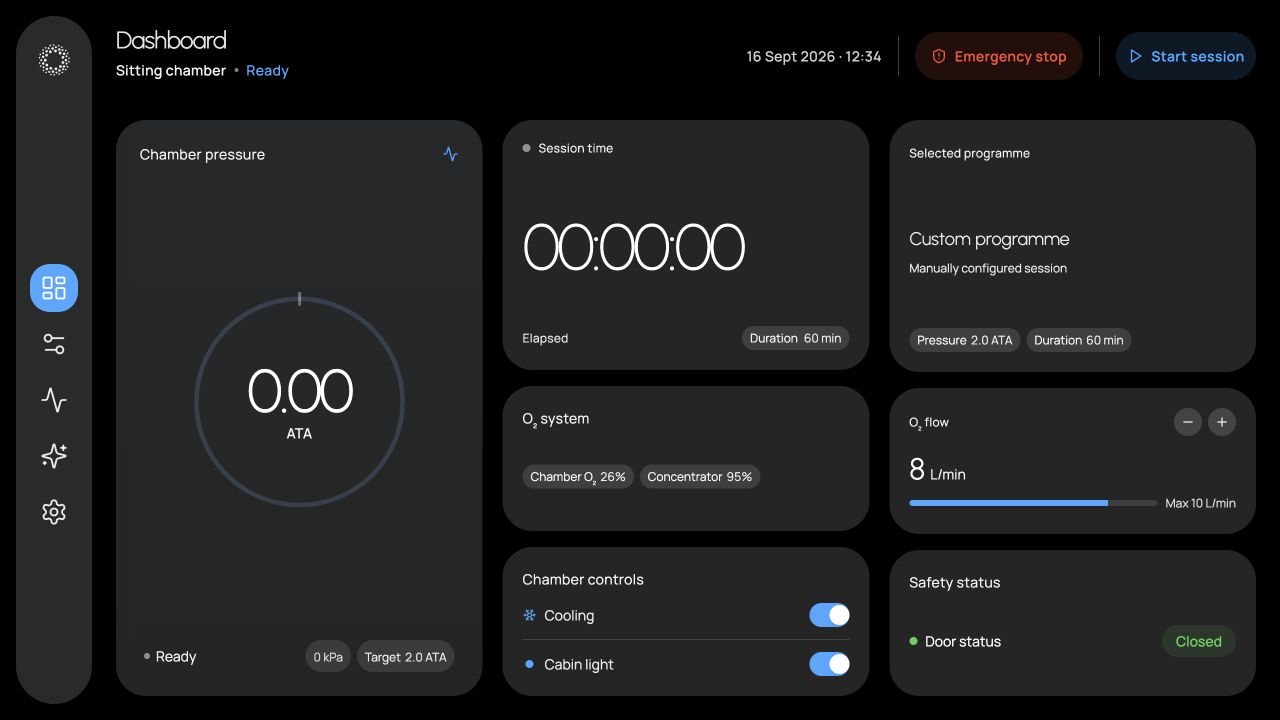
Our own control software: session programmes, a screen where you need it, and updates that keep improving your machine.
Specification sheets are easy to copy. Judgement is not.
“PVHO certified. Job done.”
Co-developed with a hospital oxygen manufacturer for back-to-back sessions. Conventional beds need twenty minutes of rest.
“BIBS masks are the premium choice.”
BIBS adds a little more oxygen and a lot more effort. Comfort is what finishes a 40 to 60 session programme.
“More pressure means a better chamber.”
Above 2.0 ATA is clinical territory. We specify what a trained operator can run safely, and we will say when the answer is less.
“More watts means a better Red Light bed.”
The evidence points to a dose window. We build to it, not to the biggest number on the page.
“Red is red. One wavelength fits all.”
Different wavelengths reach different depths. Our beds run eight, chosen with the researchers we work with.
“A chamber is just a shell.”
The new soft-shell has a screen inside, the concentrator runs from a tablet, and your Oxydise portal keeps every manual and video a tap away.

Supplies large-scale oxygen generators to hospitals worldwide. We hold an exclusive relationship on hyperbaric equipment.

Twenty years of product engineering behind every generation, from concept and materials to testing.

His research on red and near-infrared light helps define what the next light beds should do, and at what dose.

Our own team writes the control software: programmes, screens and updates, developed alongside the hardware.
Three new machines, each one an answer to something customers, engineers or researchers told us.
 New
NewA hard-shell for rooms a lying chamber will not fit, engineered to the ASME PVHO standard and tested against it in-house.
View the seated chamber New
NewEight wavelengths shaped with Professor Glen Jeffery’s research, now with PEMF in the same bed.
View the light bed
A screen inside the chamber, and a new concentrator with sieve beds built for back-to-back sessions.
View the soft-shellBook a session at an Oxydise wellness lab and test the equipment for yourself, with the team on hand.
Delivery, installation and training across the UK.
Edward can help you compare the options and understand what may suit your space.
Call EdwardAvailable 8am to 8pm01223 657444


